Late Night Snacking: Does Eating Before Bed Ruin Your Sleep?
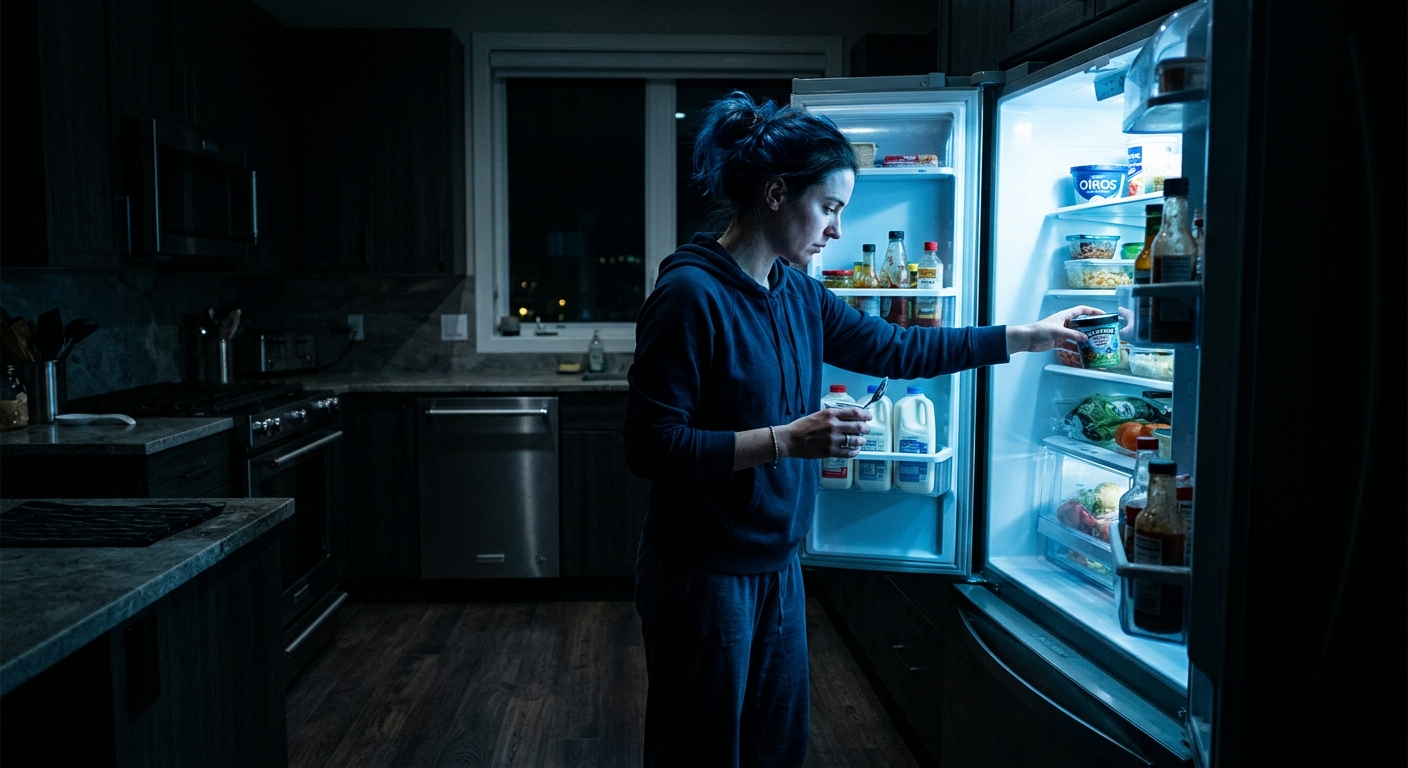
You’ve heard the advice a million times: "Don’t eat after 8 PM," or "Eating before bed makes you gain weight and ruins your sleep." But then there’s the conflicting advice suggesting a small bedtime snack can actually stabilize your blood sugar and help you stay asleep.
So, what is the truth? Does eating before bed actually ruin your sleep, or are you just eating the wrong things?
The relationship between your digestive system and your circadian rhythm is incredibly complex. When you eat, what you eat, and how much you eat all play a massive role in whether you fall asleep quickly and stay asleep through the night.
In this guide, we are going to break down exactly how late-night snacking affects your sleep architecture, which foods are sleep-killers, and what you should reach for instead if you’re genuinely hungry before bed.
The Science of Digestion and Sleep
To understand how eating before bed affects your sleep, we first have to look at what happens in your body when you eat.
Digestion is an active, energy-intensive process. When you consume a meal or a snack, your body has to break down proteins, fats, and carbohydrates into usable energy. This process increases your core body temperature and activates your metabolism.
Here is the problem: to enter deep, restorative sleep, your core body temperature needs to drop by about two to three degrees Fahrenheit.
When you eat a heavy meal right before bed, your body is forced to focus its energy on digestion rather than the critical repair processes that happen during deep sleep. Instead of dropping into those slow-wave sleep stages where physical recovery occurs, your body stays in a lighter, more active sleep stage.
This is why you might wake up feeling groggy or unrested even after sleeping for eight hours—your sleep architecture was compromised by late-night digestion.
The Role of Insulin and Cortisol
When you eat carbohydrates or sugary foods, your blood sugar spikes, which prompts your pancreas to release insulin. Insulin’s job is to move that sugar out of your bloodstream and into your cells.
If you eat a high-sugar snack before bed, you will experience a blood sugar spike followed by a rapid crash in the middle of the night. When your blood sugar drops too low (a state known as hypoglycemia), your brain perceives it as a threat. In response, it triggers the release of cortisol and adrenaline—your body’s stress hormones—to bring your blood sugar back up.
This hormonal surge is one of the primary reasons people wake up at 3 AM with a racing heart and an active mind, completely unable to fall back asleep.
The Worst Foods to Eat Before Bed
If you want to protect your sleep, there are certain foods you should absolutely avoid in the two to three hours leading up to bedtime.
1. High-Sugar Snacks and Desserts
Ice cream, cookies, candy, and even highly sweetened yogurt will cause the blood sugar rollercoaster mentioned above. They might feel comforting in the moment, but they practically guarantee a middle-of-the-night wake-up when your blood sugar inevitably crashes.
2. Heavy, High-Fat Meals
Fats take the longest to digest of all the macronutrients. Eating a heavy, high-fat meal (like pizza, burgers, or heavy cheese) keeps your digestive system working overtime for hours. Furthermore, lying flat after eating a high-fat meal significantly increases the risk of acid reflux and heartburn, which can disrupt your sleep even if you don't fully wake up.
3. Spicy Foods
Spicy foods contain capsaicin, which can elevate your core body temperature—the exact opposite of what you want before bed. Spicy foods are also notorious for causing heartburn and indigestion when you lie down.
4. Hidden Caffeine
Most people know to avoid coffee before bed, but caffeine hides in many late-night treats. Dark chocolate, matcha-flavored desserts, certain teas, and even some decaf coffees contain enough caffeine to block adenosine (the sleep-pressure chemical) and keep your brain wired.
5. Alcohol
While a "nightcap" might help you feel drowsy and fall asleep faster, alcohol is one of the worst offenders for sleep quality. As your body metabolizes the alcohol, it severely suppresses REM sleep and fragments your sleep cycles. You might fall asleep quickly, but you will likely wake up frequently in the second half of the night.
When Eating Before Bed Actually Helps
Despite all the warnings, there are situations where going to bed hungry is actually worse for your sleep than having a snack.
If you ate dinner at 5 PM and don't go to bed until 11 PM, going to sleep with a growling stomach can keep you awake. Hunger itself is a stressor. When your body is hungry, it can elevate cortisol levels, keeping you in an alert, vigilant state.
Additionally, for individuals who are highly active, pregnant, or have specific metabolic conditions, a small, strategically chosen bedtime snack can help stabilize blood sugar through the night and prevent those 3 AM wake-ups.
The Best Foods for Sleep
If you are genuinely hungry before bed, you want to choose foods that support sleep rather than disrupt it. The goal is to stabilize blood sugar and provide the building blocks for sleep hormones like serotonin and melatonin.
1. Complex Carbs + Protein
Pairing a complex carbohydrate with a small amount of protein helps stabilize blood sugar without causing a massive spike. The carbohydrates help transport tryptophan across the blood-brain barrier, while the protein keeps you satiated. Examples: A slice of whole-grain toast with almond butter, or a small bowl of oatmeal with a splash of milk.
2. Tart Cherries
Tart cherries are one of the few natural food sources of melatonin. A small handful of tart cherries or a small glass of unsweetened tart cherry juice can help signal to your brain that it is time for sleep.
3. Magnesium-Rich Foods
Magnesium is the ultimate relaxation mineral. It helps regulate your nervous system and prepares your body for rest. Almonds, pumpkin seeds, and bananas are all excellent sources of magnesium.
(If you struggle to get enough magnesium through food, many people find success with a high-quality supplement. A pure Magnesium Glycinate supplement is often recommended for sleep because it is highly absorbable and doesn't cause digestive upset like other forms. You can find highly-rated magnesium glycinate options on Amazon.)
4. Kiwi
Interestingly, several studies have shown that eating one or two kiwis an hour before bed can significantly improve sleep onset, duration, and efficiency. Kiwis are rich in serotonin and antioxidants, which may explain their sleep-promoting benefits.
How to Optimize Your Evening Routine
What you eat is just one piece of the puzzle. How you transition from your busy day into sleep is equally important. If your sleep environment and routine are chaotic, even the perfect bedtime snack won't save your sleep.
Establish a Cut-Off Time
Aim to finish your last large meal at least three hours before bed. If you must have a snack, try to keep it at least an hour before you go to sleep to allow initial digestion to begin before you lie down.
Upgrade Your Sleep Environment
Your bed should be a sanctuary designed for cooling and comfort. Since digestion can raise your body temperature, ensuring your sleep environment is cool becomes even more critical.
Consider upgrading your bedding to materials that actively regulate temperature. The Promeed Luxgen Silk Pillowcase is highly regarded for its cooling properties and breathability, helping to dissipate heat away from your head and neck throughout the night.
If your mattress is trapping heat (a common issue with older memory foam), you might also consider a specialized cooling mattress, like the options from Airpedic, which use advanced airflow systems to keep your core temperature down.
Manage Bedtime Stress
Sometimes, late-night snacking isn't about hunger at all—it's about stress and emotional regulation. We often reach for snacks to soothe anxiety or reward ourselves after a long, difficult day.
If you find yourself mindlessly snacking before bed, try replacing that habit with a non-food relaxation technique. A warm bath, reading a physical book, or doing 10 minutes of light stretching can provide that same sense of reward and transition without disrupting your digestion.
Stop Fighting Your Sleep Architecture
Your body is designed to sleep, but modern habits—like heavy, late-night meals and chronic stress—actively fight against your natural biology.
If you are struggling to fall asleep, staying asleep through the night, or waking up feeling exhausted regardless of what you eat, the problem might run deeper than your evening snack.
We created the 7-Day Sleep Reset Protocol specifically for people who feel like they’ve tried everything but still can't get restful sleep. It’s a step-by-step system that goes beyond basic sleep hygiene to rebuild your sleep drive from the ground up, tackling cortisol imbalances, circadian rhythm disruption, and sleep anxiety.
<div className="mt-8 mb-8 p-6 bg-[#1d3557]/30 border border-[#a8dadc]/20 rounded-xl"> <h3 className="text-xl font-bold text-[#f1faee] mb-3">Tired of waking up exhausted?</h3> <p className="text-[#f1faee]/80 mb-4"> The 7-Day Sleep Reset Protocol is our step-by-step system to fix broken sleep architecture. If you're struggling with 3 AM wake-ups, sleep-onset anxiety, or chronic exhaustion, this is the exact framework you need. </p> <a href="/sleep-reset" className="inline-block px-6 py-3 bg-[#e63946] text-white font-semibold rounded-lg hover:bg-[#d62828] transition-colors"> Explore the 7-Day Sleep Reset </a> </div>Frequently Asked Questions
Is it bad to go to bed hungry?+
Yes, going to bed hungry can elevate cortisol levels and keep you awake. A small snack combining complex carbs and protein is better than a growling stomach.
How long before bed should I stop eating?+
Ideally, finish your last large meal about three hours before bed to allow your body time to properly digest before lying down.
What is the best late-night snack for sleep?+
A small portion of complex carbohydrates and protein, such as a slice of whole-grain toast with almond butter, or a handful of tart cherries.
Does drinking water before bed ruin sleep?+
Drinking too much water before bed can lead to nocturia, or waking up to use the bathroom. Stop heavy fluid intake 1-2 hours before bed.
Does magnesium help with sleep?+
Yes, magnesium glycinate is known to help regulate the nervous system and is often recommended as a supplement to support deep sleep.
Keep Reading
Sleep Smarter Editorial Team
Our editorial team researches and writes evidence-based sleep content grounded in peer-reviewed science. All articles reference established sleep research from sources including the NIH, AASM, and Sleep Foundation.