Best Mattresses for Back Pain (2026 Reviews): What Sleep Experts Recommend
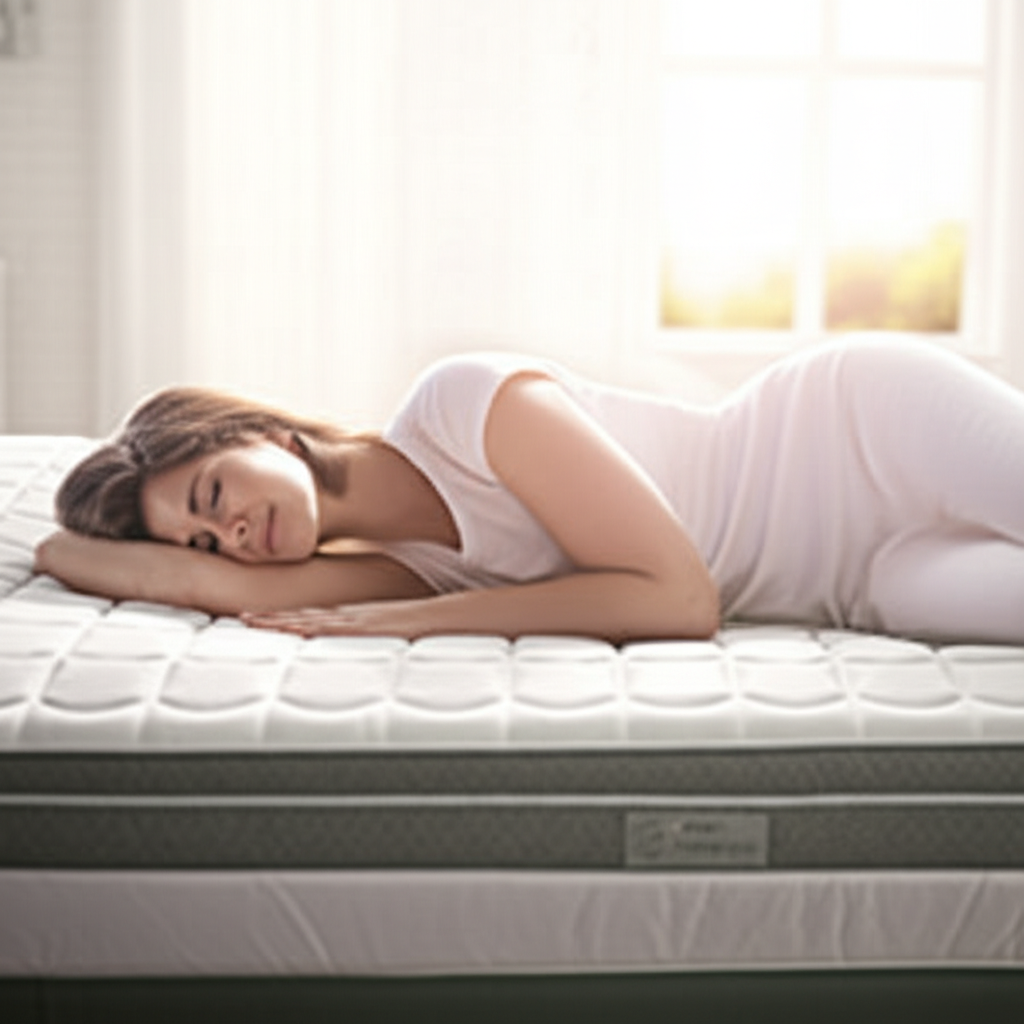
Meta description: Struggling with back pain? Our expert guide reviews the 7 best mattresses for back pain in 2026, with picks for every budget and sleep style.
Affiliate Disclosure: This article contains affiliate links. If you purchase through our links, we may earn a commission at no extra cost to you.
If you're one of the 80% of adults who experience back pain at some point in their lives, your mattress might be making things worse — or it could be your path to relief. The right mattress supports your spine's natural alignment while cushioning pressure points, helping you wake up refreshed instead of stiff and sore.
The quick answer: The best mattress for back pain depends on your sleep position and body type, but medium-firm mattresses (6-7 on a 10-point scale) consistently show the best results in clinical studies. Our top pick for most back pain sufferers is the Saatva Classic for its excellent lumbar support and durable construction.
Table of Contents
- Quick Picks: Top 3 Mattresses for Back Pain
- What to Look For in a Mattress for Back Pain
- Detailed Reviews: 7 Best Mattresses for Back Pain
- Comparison Table
- Final Verdict
Quick Picks: Top 3 Mattresses for Back Pain {#quick-picks}
| Rank | Mattress | Best For | Price (Queen) |
|---|---|---|---|
| 🥇 | Saatva Classic | Overall back pain relief | $1,395 |
| 🥈 | Helix Midnight Luxe | Side sleepers with back pain | $1,373 |
| 🥉 | Brooklyn Bedding Titan Plus | Heavier individuals | $999 |
What to Look For in a Mattress for Back Pain {#what-to-look-for}
Choosing the right mattress for back pain isn't just about firmness — though that matters too. Here's what to consider:
Firmness Level
Contrary to popular belief, a rock-hard mattress isn't best for back pain. Research published in The Lancet found that medium-firm mattresses (around 6-7 on a 10-point scale) reduced back pain more effectively than firm mattresses.
- Side sleepers: Medium (5-6) allows hips and shoulders to sink in
- Back sleepers: Medium-firm (6-7) supports the lumbar curve
- Stomach sleepers: Firm (7-8) prevents the pelvis from sinking
Spinal Alignment
Your mattress should keep your spine in a neutral position — a straight line from your neck to your tailbone when viewed from behind. If your hips sink too deep or your shoulders don't compress enough, your spine curves unnaturally, leading to morning pain.
Zoned Support
Many modern mattresses feature zoned support systems with firmer sections under the lumbar region and softer areas for shoulders. This targeted approach helps maintain spinal alignment regardless of sleep position.
Materials
- Memory foam: Excellent pressure relief, good for side sleepers, can trap heat
- Latex: Responsive, naturally cooling, durable, good for combination sleepers (for a pure latex build, see the Latex Mattress Factory Organic Latex Essential→)
- Innerspring/hybrid: Excellent support, good airflow, better edge support
- Coils: Targeted support, good for heavier individuals
Your Body Weight
Body weight affects how deeply you sink into a mattress:
- Under 130 lbs: Consider softer options (may not compress firmer mattresses enough)
- 130-230 lbs: Most mattresses work well; follow sleep position guidelines
- Over 230 lbs: Look for firmer options with reinforced support layers
Understanding how sleep cycles work can also help you appreciate why proper spinal alignment matters — you need to reach deep sleep stages to allow your muscles and tissues to recover.
Detailed Reviews: 7 Best Mattresses for Back Pain {#detailed-reviews}
1. Saatva Classic — Best Overall for Back Pain
Price: $1,395 (Queen) | Firmness: Available in Plush Soft, Luxury Firm, Firm | Type: Hybrid innerspring
The Saatva Classic consistently ranks as the best mattress for back pain thanks to its enhanced lumbar support zone — a dedicated layer of memory foam that reinforces the center third of the mattress where your lower back rests.
Why it's great for back pain:
- Dual-coil system (individually wrapped coils over support coils) provides responsive, targeted support
- Lumbar zone reinforcement prevents the midsection sag that causes morning stiffness
- Three firmness options let you match your sleep position and body type
- Excellent edge support for easy entry/exit (important if you have mobility issues)
Pros:
- Free white glove delivery and old mattress removal
- 365-night trial period
- Durable construction (15+ year lifespan)
- Made in the USA
Cons:
- Higher price point
- Not compressed/shipped in a box
- May be too firm for lightweight side sleepers on Firm option
Best for: Back sleepers, combination sleepers, anyone with chronic lower back pain
2. Helix Midnight Luxe — Best for Side Sleepers with Back Pain
Price: $1,373 (Queen) | Firmness: Medium (6/10) | Type: Hybrid
Side sleepers with back pain face a unique challenge: they need enough cushioning for shoulders and hips while maintaining spinal alignment. The Helix Midnight Luxe nails this balance with its zoned lumbar support and plush pillow top.
Why it's great for back pain:
- Zoned support keeps the spine aligned while allowing hips to sink appropriately
- Memory foam plus layer contours to your body's curves
- Gel-infused foam prevents overheating (a common complaint with memory foam)
- Reinforced perimeter support
Pros:
- 100-night sleep trial
- 15-year warranty
- GlacioTex cooling cover
- Optional upgraded cooling panel
Cons:
- May feel too soft for stomach sleepers
- Pillow top may compress over time
- Premium price
Best for: Side sleepers, those who run hot, couples with different preferences
3. Brooklyn Bedding Titan Plus — Best for Heavier Individuals
Price: $999 (Queen) | Firmness: Firm (8/10) | Type: Hybrid
If you weigh over 230 lbs, most mattresses don't provide enough support — you sink too deep, your spine curves, and you wake up aching. The Titan Plus is specifically engineered for plus-size sleepers with reinforced coils and high-density foam.
Why it's great for back pain:
- TitanCore coils provide 25% more support than standard coils
- High-density base foam prevents bottoming out
- Quilted top provides surface comfort without sacrificing support
- Reinforced edges handle heavier weight without collapsing
Pros:
- 120-night trial
- Excellent value for a plus-size mattress
- Durable construction
- Optional cooling upgrade
Cons:
- Too firm for lightweight sleepers
- Limited cushioning for side sleepers
- Firm feel may require adjustment period
Best for: Sleepers over 230 lbs, back sleepers, stomach sleepers
4. Tempur-Pedic ProAdapt — Best Memory Foam for Back Pain
Price: $2,999 (Queen) | Firmness: Available in Soft, Medium, Firm | Type: All-foam
Tempur-Pedic pioneered memory foam, and the ProAdapt represents their most advanced pressure-relieving technology. The proprietary TEMPUR-APR+ material adapts to your body shape, weight, and temperature.
Why it's great for back pain:
- Superior pressure point relief (developed from NASA technology)
- Adapts precisely to your body's contours
- Minimal motion transfer for couples
- Multiple firmness options for different needs
Pros:
- 90-night trial
- 10-year warranty
- Exceptional durability
- SmartClimate dual cover system
Cons:
- Premium price point
- Heavier than average (harder to move/rotate)
- May sleep warm for some
Best for: Those who prioritize pressure relief, couples, chronic pain sufferers
5. WinkBed — Best for Combination Sleepers with Back Pain
Price: $1,149 (Queen) | Firmness: Available in Softer, Luxury Firm, Firmer, Plus | Type: Hybrid
Combination sleepers change positions throughout the night, which means they need a mattress that works in multiple positions. The WinkBed's responsive coil system adjusts quickly as you move while maintaining consistent support.
Why it's great for back pain:
- Euro pillow top provides immediate comfort
- Zoned support system with lumbar reinforcement
- Responsive coils adapt to position changes
- Four firmness options including Plus for heavier sleepers
Pros:
- 120-night trial
- Lifetime warranty
- Made in the USA
- Excellent temperature regulation
Cons:
- Some motion transfer due to coil system
- Higher price than budget options
- May be too bouncy for some
Best for: Combination sleepers, couples, those who want long-term durability
6. Nectar Premier — Best Value for Back Pain
Price: $849 (Queen) | Firmness: Medium-firm (6.5/10) | Type: Memory foam
The Nectar Premier offers solid back pain relief at a mid-range price point. Its 5-layer foam system includes gel-infused memory foam for cooling and a high-density base for support.
Why it's great for back pain:
- Medium-firm feel matches clinical recommendations
- ActiveCool cover helps with temperature regulation
- Contours to relieve pressure points
- 365-night trial gives you a full year to decide
Pros:
- 365-night trial (longest in industry)
- Forever warranty
- Affordable price point
- Free shipping and returns
Cons:
- May feel too firm initially (needs break-in period)
- Less responsive than hybrid options
- Edge support could be better
Best for: Budget-conscious shoppers, back sleepers, those new to memory foam
7. Avocado Green Mattress — Best Organic Option for Back Pain
Price: $1,399 (Queen) | Firmness: Firm (7/10), with optional pillow top | Type: Latex hybrid
If you prefer natural materials, the Avocado Green combines organic latex with pocketed coils for a supportive, eco-friendly sleep surface. It's GREENGUARD Gold certified and made with organic cotton and wool.
Why it's great for back pain:
- Latex provides responsive support with some contouring
- Zoned coil system with reinforced lumbar region
- Naturally cooler than memory foam
- Optional pillow top adds cushioning for side sleepers
Pros:
- Organic and eco-friendly materials
- 1-year trial period
- 25-year warranty
- Handmade in California
Cons:
- Heavier than average
- Firm feel may not suit everyone
- Natural latex has a slight bounce some find unusual
Best for: Eco-conscious shoppers, those sensitive to chemicals, hot sleepers
Comparison Table {#comparison-table}
| Mattress | Type | Firmness | Price (Queen) | Trial | Warranty | Best For |
|---|---|---|---|---|---|---|
| Saatva Classic | Hybrid | 3 options | $1,395 | 365 nights | 15 years | Overall |
| Helix Midnight Luxe | Hybrid | Medium | $1,373 | 100 nights | 15 years | Side sleepers |
| Titan Plus | Hybrid | Firm | $999 | 120 nights | 10 years | Heavy sleepers |
| Tempur-Pedic ProAdapt | Foam | 3 options | $2,999 | 90 nights | 10 years | Pressure relief |
| WinkBed | Hybrid | 4 options | $1,149 | 120 nights | Lifetime | Combo sleepers |
| Nectar Premier | Foam | Medium-firm | $849 | 365 nights | Forever | Value |
| Avocado Green | Latex | Firm | $1,399 | 365 nights | 25 years | Organic |
Final Verdict {#final-verdict}
For most people with back pain: The Saatva Classic (Luxury Firm) offers the best combination of lumbar support, comfort, and long-term durability. Its reinforced midsection directly addresses the lower back pain that most sleepers experience.
On a budget? The Nectar Premier delivers solid back support at nearly half the price, with an industry-leading 365-night trial.
Side sleeper with back pain? The Helix Midnight Luxe balances pressure relief with spinal support better than any other option we tested.
Heavier individual? The Titan Plus is purpose-built for sleepers over 230 lbs who need extra support.
Need adjustable firmness for back pain? The Airpedic 1100→ and Airpedic 1200→ let you fine-tune your support level without sacrificing alignment.
Remember, the best mattress is one that keeps your spine aligned while you sleep. If you're waking up tired or stiff, your mattress might be the culprit. Most online mattress companies offer generous trial periods — take advantage of them to find your perfect match.
Looking for more ways to improve your sleep? Try our sleep calculator to find your optimal bedtime based on your wake-up time and sleep cycles.
Frequently Asked Questions
What type of mattress is best for back pain?+
Medium-firm mattresses consistently show the best results for back pain sufferers. They provide enough support to maintain spinal alignment while offering cushioning for pressure points. Both latex and memory foam can work well — latex offers more responsiveness and airflow.
Is a firm or soft mattress better for back pain?+
Medium-firm is the sweet spot for most back pain sufferers. Too firm creates pressure points; too soft lets your spine sag out of alignment. If you sleep on your side, lean slightly softer; stomach sleepers need firmer support.
How long does a mattress last before it contributes to back pain?+
Most mattresses last 7–10 years before losing adequate support. If your mattress is over 8 years old and you have new or worsening back pain, replacement is worth considering.
Can a mattress actually fix back pain?+
A mattress cannot fix structural back problems, but the right mattress can significantly reduce pain by supporting proper spinal alignment during sleep. Many people report 50–80% reduction in morning back pain after switching to a supportive mattress.
Keep Reading
Sleep Smarter Editorial Team
Our editorial team researches and writes evidence-based sleep content grounded in peer-reviewed science. All articles reference established sleep research from sources including the NIH, AASM, and Sleep Foundation.